What should I look for in a web design agency's portfolio before hiring one?
+
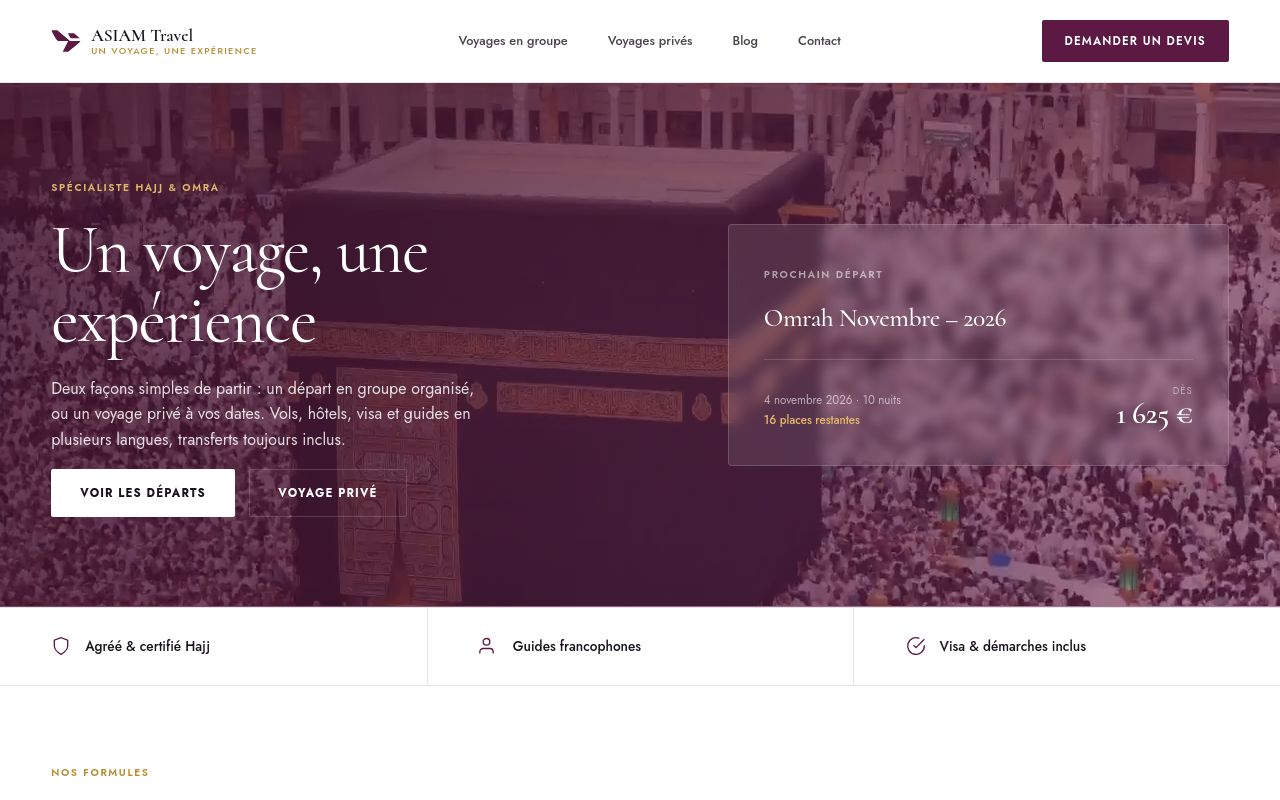
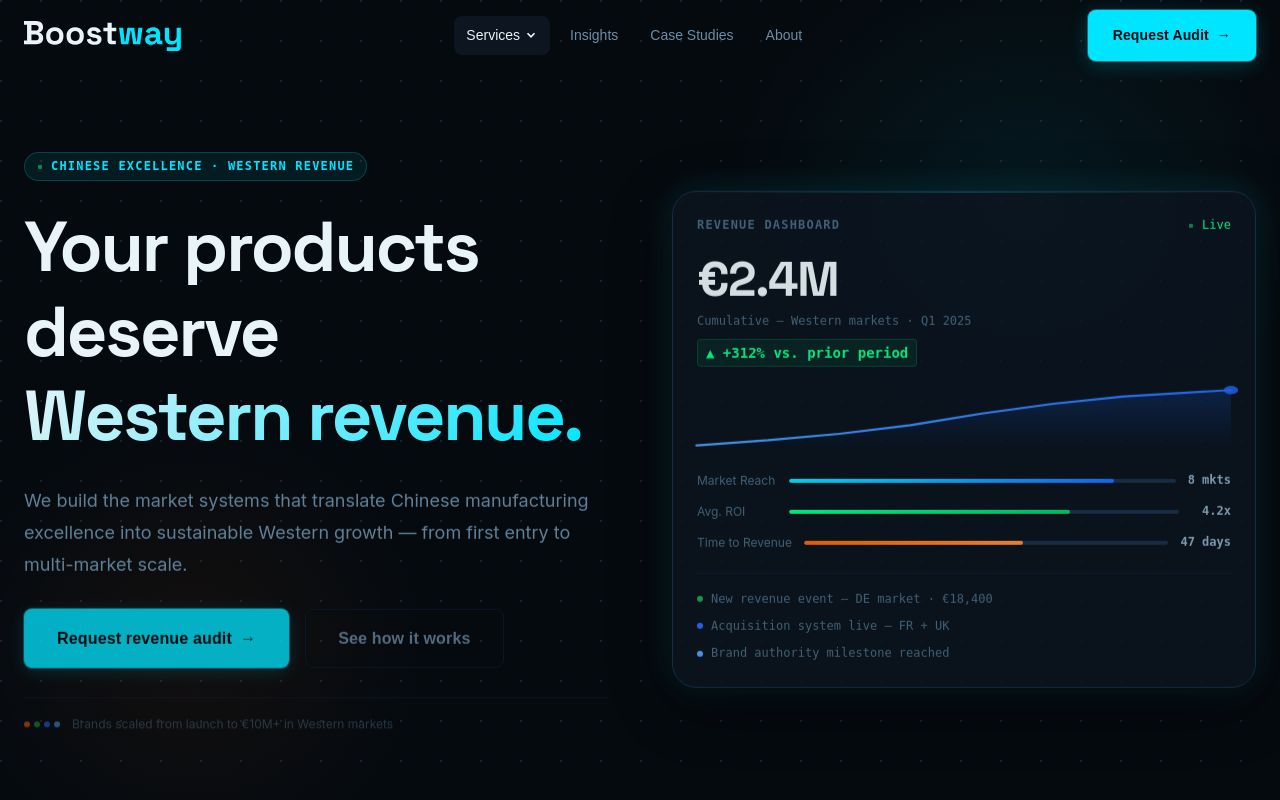
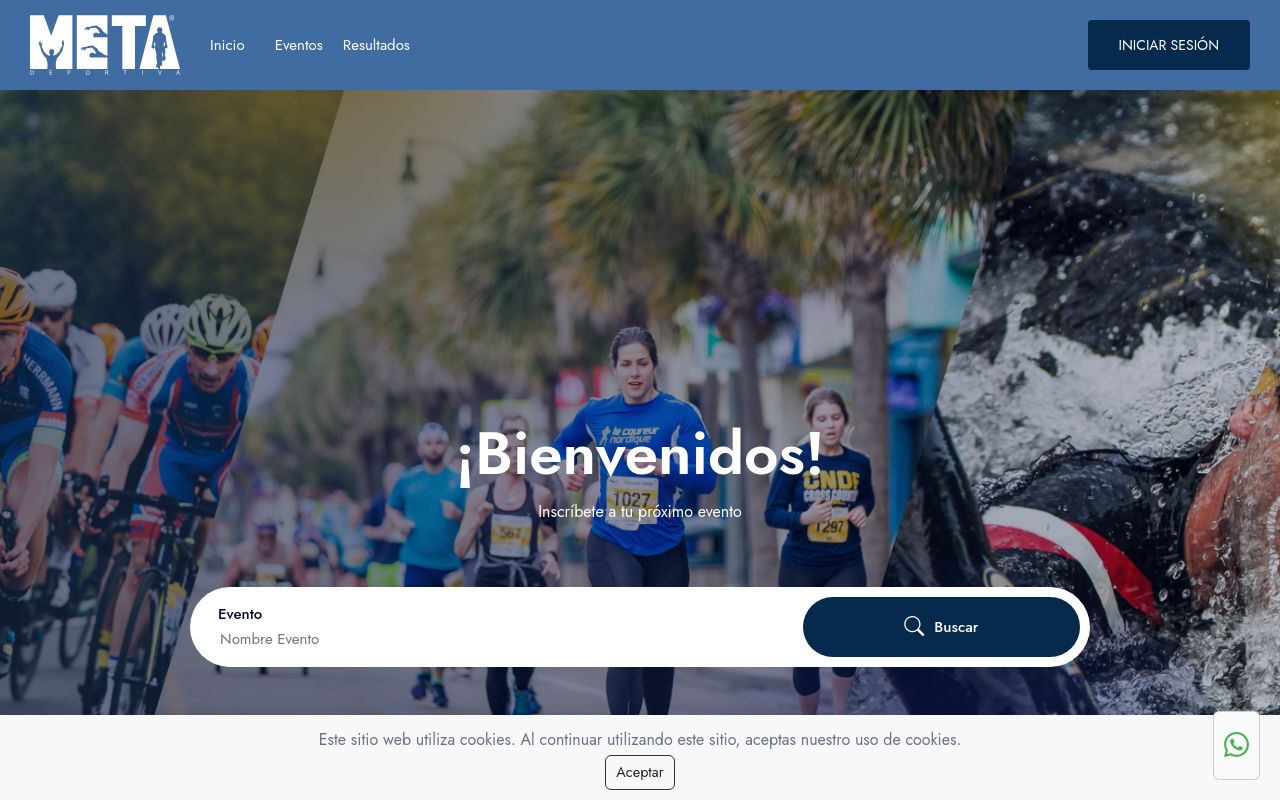
Look past visual style and check for real client results: fast load times, mobile responsiveness, and whether the agency has built for businesses similar to yours. A strong web design portfolio should show finished, live sites — not mockups — across a range of industries like retail, real estate, and professional services.
What do good small business website examples actually look like?
+
The best small business website examples share a few traits: clear calls-to-action above the fold, fast page speed, mobile-first layouts, and a simple path to contact or book a call. Look for sites built on custom code rather than heavy page-builder templates, since those tend to load faster and convert better.
What does a strong real estate website design example include?
+
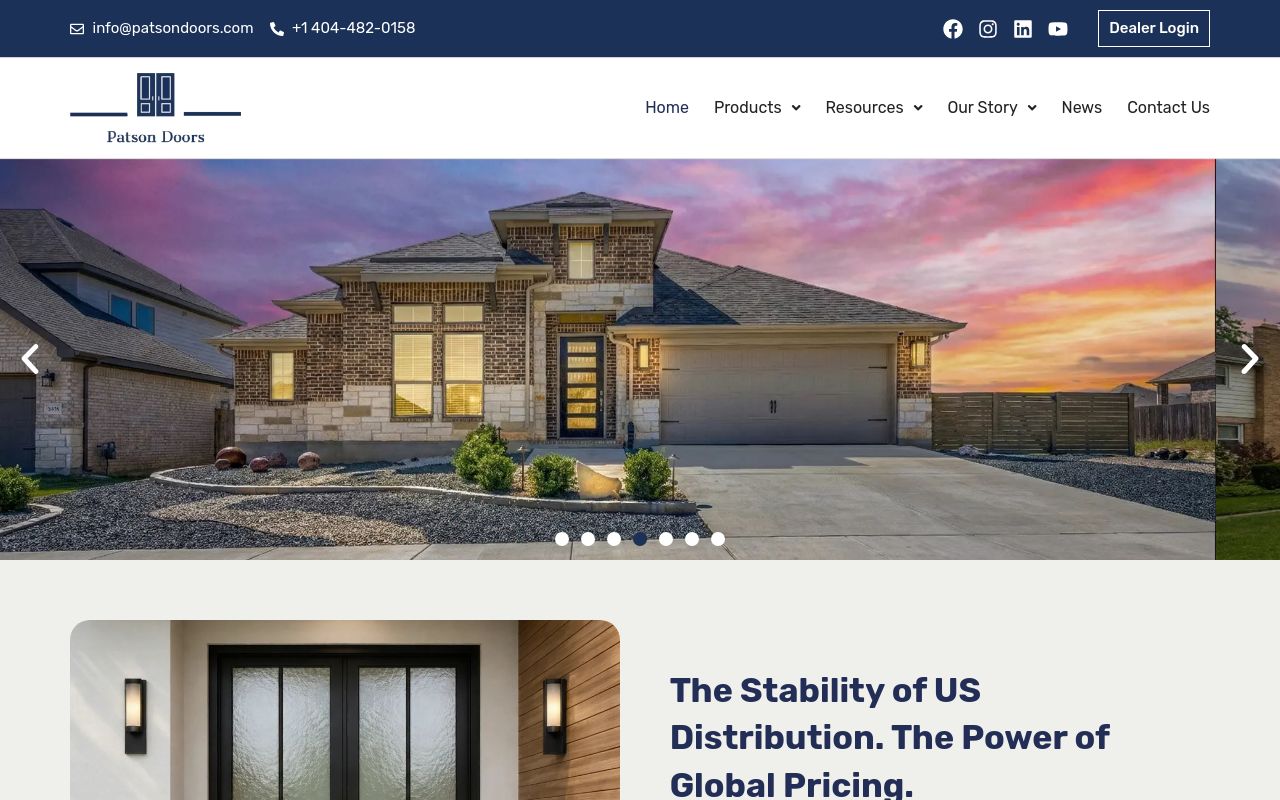
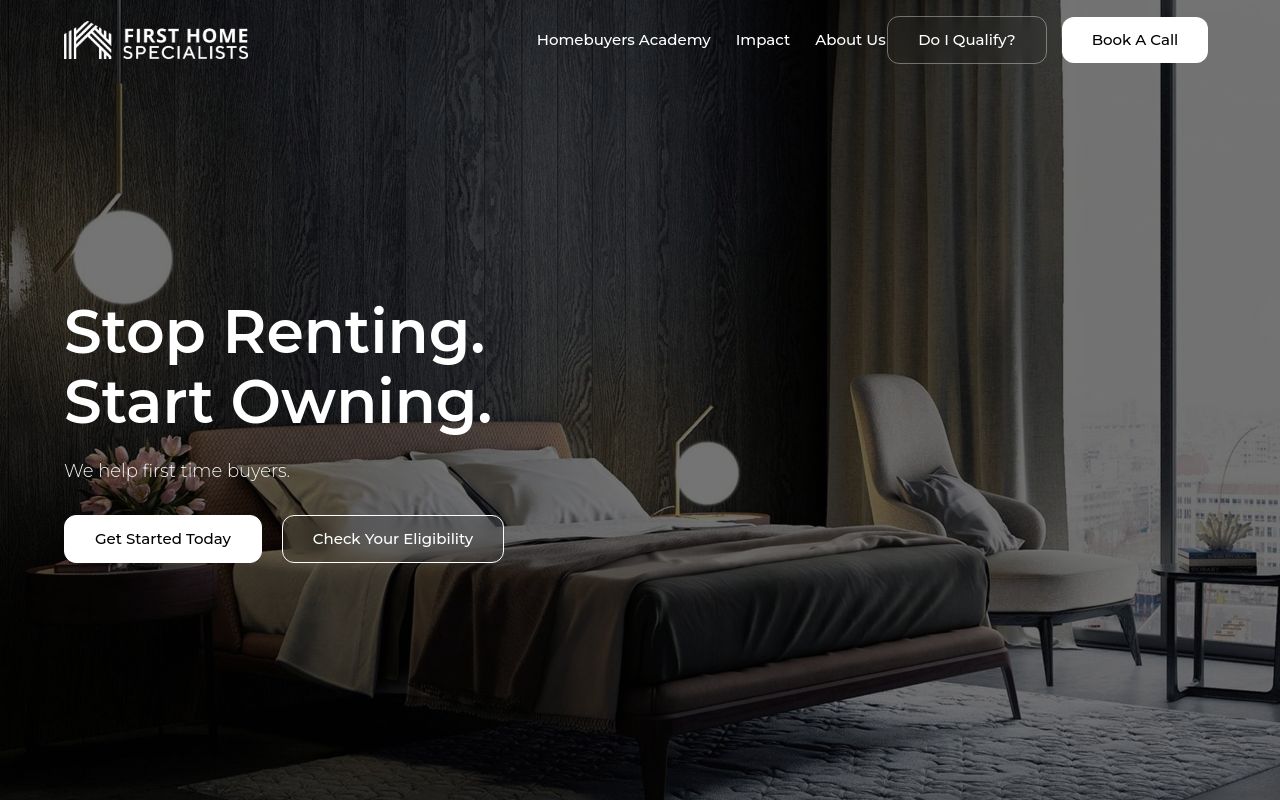
A solid real estate website design example typically features high-quality property imagery, fast-loading listing pages, and lead-capture forms built into every page — not just the contact page. Agencies with real estate clients in their portfolio (like custom-built sites for home buying or property firms) are a good sign they understand these conversion needs.
What makes a law firm website design example effective?
+
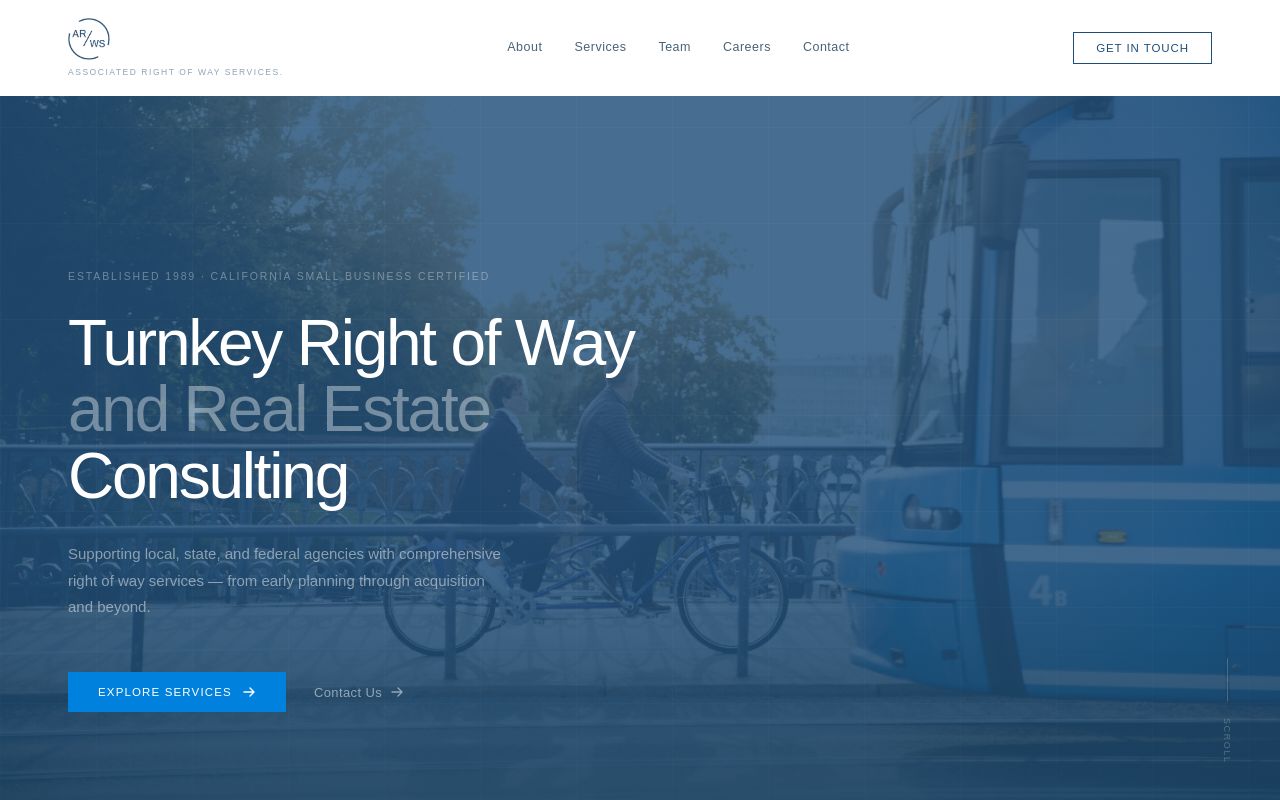
Effective law firm website design examples build trust fast: clean navigation, credentials front and center, and a straightforward way to request a consultation. Because legal search terms are competitive, the site also needs solid on-page SEO and quick load times — something template-based law firm sites often struggle with.
Do web design agencies build sites for retail and e-commerce businesses too?
+
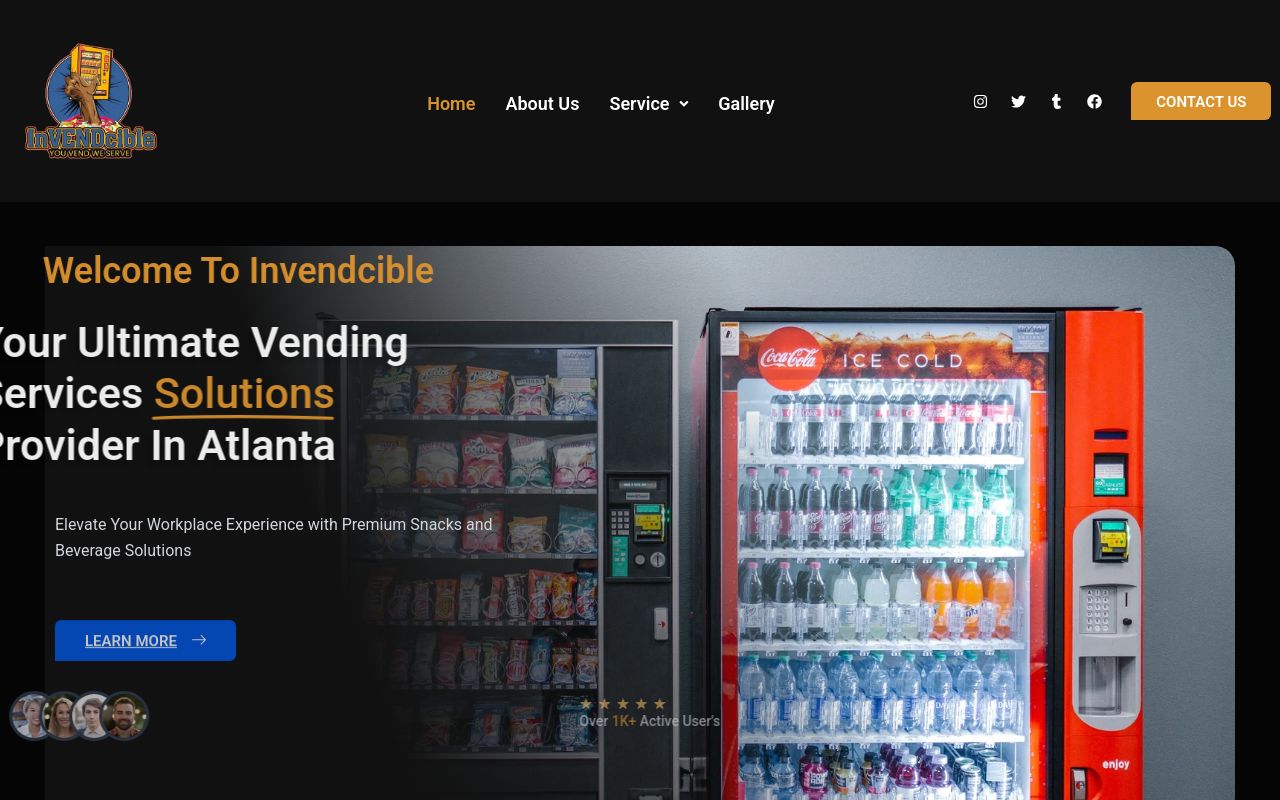
Yes — retail and distribution businesses need websites that handle product catalogs, inventory-style pages, or wholesale inquiries without slowing down. When reviewing a web design portfolio, look specifically for retail or e-commerce projects to confirm the agency can handle catalog structure, not just a simple 5-page brochure site.
What's the difference between a custom-coded website and a WordPress template site?
+
A custom-coded website is built from scratch for your business, while a WordPress template or page-builder site (Elementor, Divi, etc.) reuses pre-made blocks. Custom-coded sites are typically 50–150KB of code per page versus 300–800KB+ for page-builder sites — meaning faster load speed, fewer plugin vulnerabilities, and better long-term SEO performance.
How much does a custom website design cost?
+
Custom-coded small business websites generally range from $899–$10,000+ depending on complexity, versus $2,000–$8,000 for page-builder template sites. The custom option often costs less to maintain long-term since there's no page-builder licensing or plugin bloat to manage.
How long does it typically take to design and launch a new website?
+
Most agencies quote 6–8 weeks for a custom website, we can deliver in as little as 7 days by skipping heavy page-builder plugins and building lean from day one. When comparing web design agencies, ask directly about their typical turnaround time — it varies a lot more than people expect.
What questions should I ask a web design agency before hiring them?
+
Ask who owns the code and content once the site is live, whether you can edit pages yourself without paying for developer time, what platform the site is built on (custom code vs. WordPress template), and how long the build will realistically take. Their answers reveal a lot about long-term flexibility and lock-in risk.